
OUR RECENT POSTS
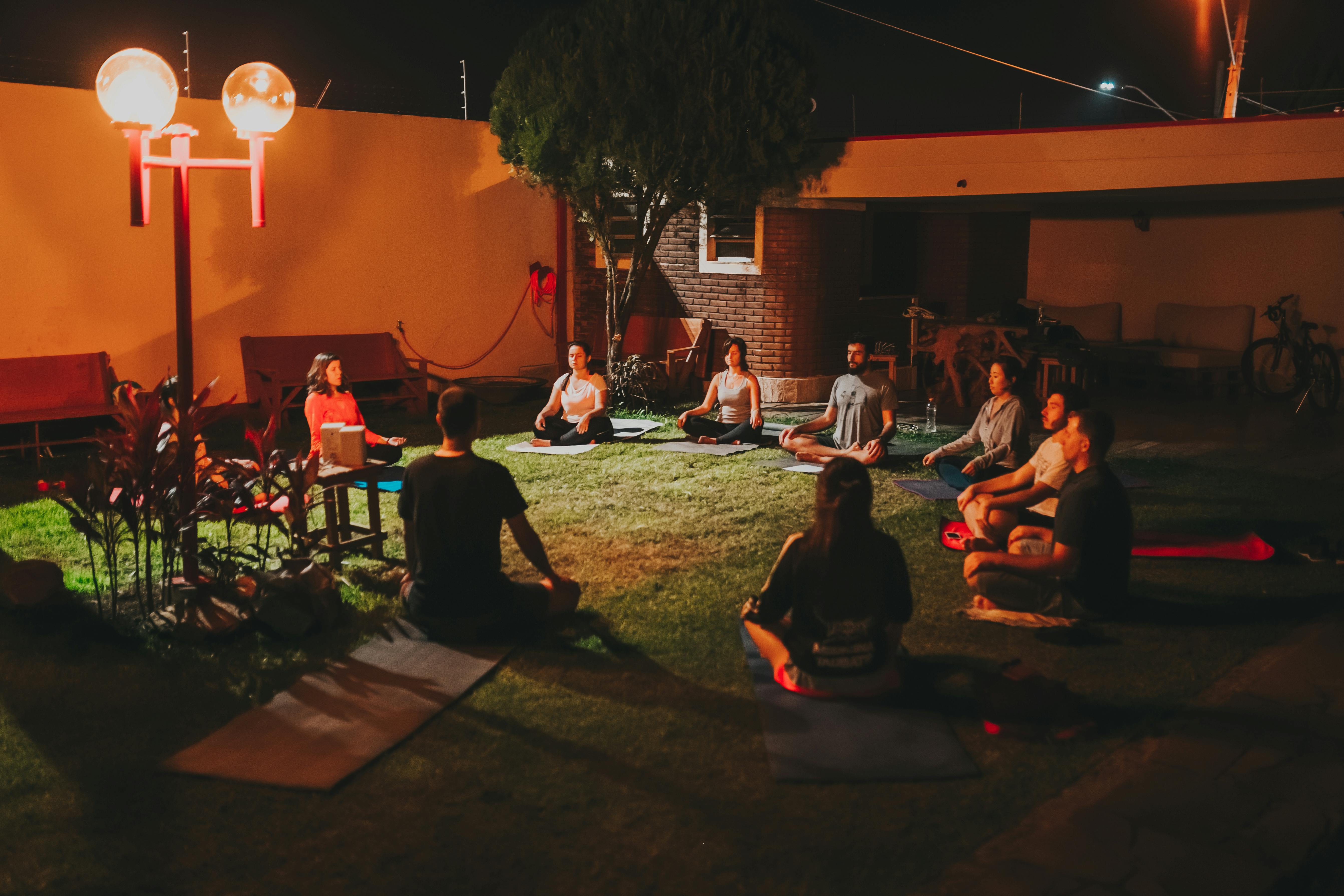
The Power of Walking for Mental Clarity
Walking has a quiet influence on how thoughts organize themselves. When the body moves at a steady pace, mental overload often begins to loosen. Problems that feel tangled while sitting still can feel more manageable after a short walk.
Rhythmic movement helps shift attention away from looping thoughts. Instead of remaining stuck in mental repetition, awareness spreads into the surroundings—sounds, air, light, and motion all become gentle anchors for focus.
How Walking Supports Brain Function
Gentle physical activity increases blood flow to the brain, supporting sharper thinking and better emotional regulation. At the same time, repetitive movement gives the mind a stable rhythm, which helps reduce scattered thinking.
Neuroscience also links walking with reduced activity in overactive thought patterns. When mental chatter slows, space opens for clearer perspective and calmer decision-making.
Mental Reset Through Simple Steps
A short walk after stressful moments often changes how situations feel. What seemed overwhelming can appear less intense after movement. This shift happens because walking allows emotional energy to move rather than remain stuck.
Without forcing solutions, answers often surface naturally. Thoughts align more smoothly when pressure is reduced and movement is present.
Walking Without Digital Distraction
Walking without constant phone use allows attention to settle more fully into the present environment. Visual details, natural sounds, and body rhythm become more noticeable.
This type of attention shift reduces overstimulation and helps the mind return to a more balanced state. Even brief breaks from screens during walking can support mental clarity.
Nature as a Supportive Setting
Walking in outdoor spaces often adds another layer of calm. Trees, open air, and natural light create a softer mental environment compared to indoor settings.
Even small green spaces or quiet streets can offer this effect. The key factor is allowing surroundings to gently hold attention without pressure or urgency.
Breath, Rhythm, and Awareness
Pairing walking with slow, steady breathing can deepen its calming effect. A natural rhythm forms between steps and breath, helping thoughts settle more evenly.
Attention placed on physical sensation—feet touching the ground, air moving in and out—can shift focus away from mental overload and into grounded awareness.
Supporting Movement Practices with Yoga
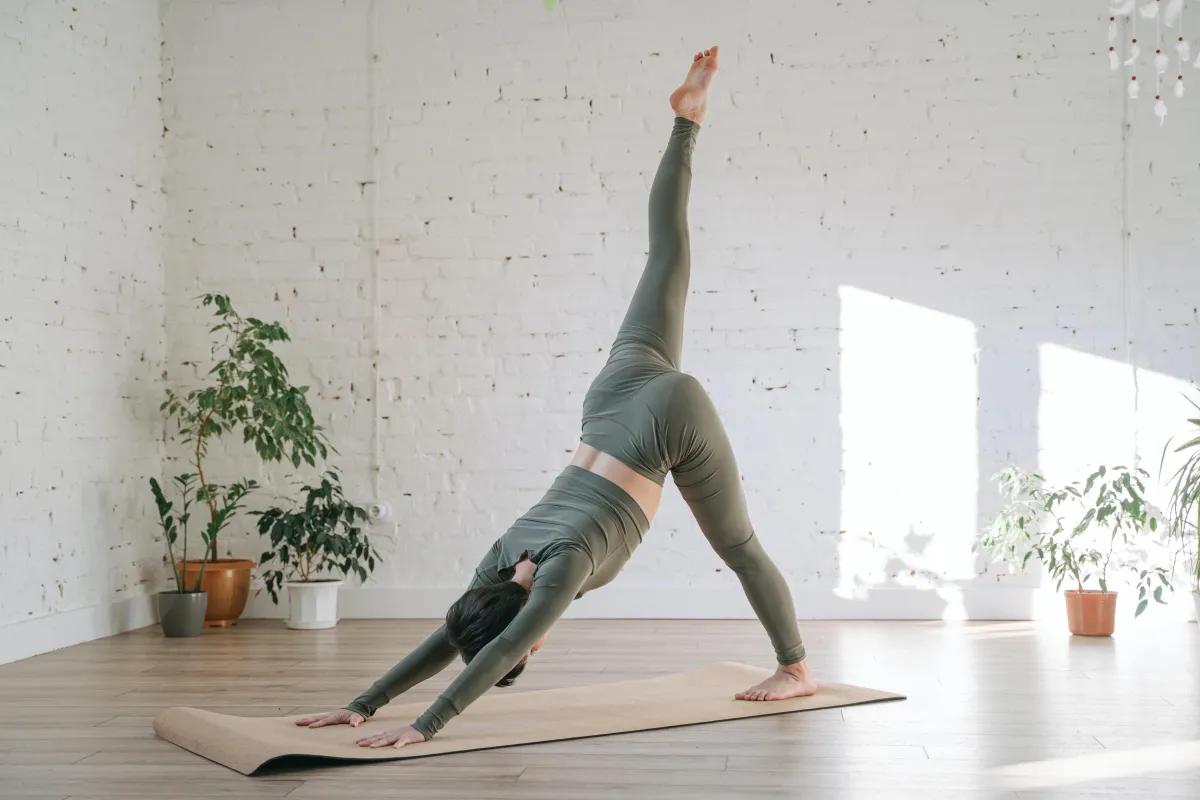
Alongside walking, yoga offers structured movement that supports flexibility, breath control, and internal balance. Combining both practices can create a steady foundation for mental calm and physical ease.
For those interested in expanding movement-based routines,ULU Yogaprovides accessible yoga tools and guidance. Explore options here:ULU Yoga
Yoga and walking complement each other well—one brings structure, the other brings freedom of motion.
Creating Space for Clearer Thinking
Regular walking builds a pattern where mental pressure reduces over time. With consistent movement, thoughts become less congested and more organized.
Over time, even short walks can become a reliable way to reset focus, regulate emotions, and support steady clarity throughout daily life.
One or more of the links above are affiliate links, meaning, at no additional cost to you, we will earn a slight commission if you click through and make a purchase. Each of these products is chosen by a trusted member of our team.



Email: partnerships@beyondbluehealth.com
Site: www.beyondbluehealth.com